Nairobi Kariokor Market Cash-Only Rule Costs Twenty Percent Extra After 2pm

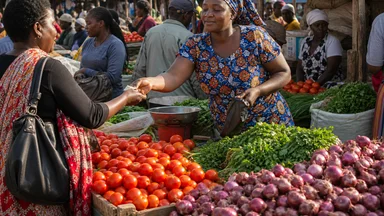
Nairobi's Kariokor Market is one of the city's busiest food markets, but its cash-only rule after 2pm can quietly add roughly 20% to your bill. The shift from mobile money to cash transactions, combined with vendor surcharges and ATM scarcity, creates a predictable cost spike that catches many visitors off guard. Understanding the market's internal clock—when prices rise, which sections close, and how to pay—can save you both time and money. This guide walks through the real costs, street-food hygiene cues locals use, and the exact timing that lets you avoid the afternoon surcharge.
The 2pm Surcharge and Payment Realities: Cash, M-Pesa, and Timing
Kariokor Market operates in two distinct phases. Before noon, roughly 70% of vendors accept M-Pesa mobile money. After 2pm, that figure drops sharply, and virtually all transactions become cash-only. Vendors cite network congestion and the risk of failed payments for the switch, but the effect is the same: buyers without cash pay a premium.
Vendors often add 15–25% to prices for late-afternoon buyers, especially those who ask to pay via M-Pesa after the cutoff. One common scenario: a vegetable seller offers a kilo of tomatoes at 80 KES before 11am, but after 2pm the same tomatoes are quoted at 100 KES—and only for cash. The premium is not officially posted; it emerges through negotiation, and buyers who arrive without small bills have little leverage.
ATMs near Kariokor are scarce. The nearest reliable machine is about a 15-minute walk away, and it often runs out of cash by early afternoon. Mobile money agents, who can convert M-Pesa to cash, cluster around the market's entrances, but they charge a fee of 3–5% and queues can add 10–20 minutes per transaction. By the time you withdraw cash and return, the surcharge has already eaten into your budget.
For a typical vegetable haul of tomatoes, onions, and greens, the total extra cost from the cash-only rule and agent fees comes to roughly 20%. If you are buying meat or fish, the premium can be higher, as those vendors are more likely to demand cash all day. The lesson is straightforward: arrive before 11am with M-Pesa loaded, or plan to carry enough cash to cover the afternoon markup.
Mobile money via M-Pesa is the dominant payment method in Kenya, and at Kariokor it works seamlessly before noon. Roughly 70% of vendors display a Lipa Na M-Pesa till number, and transactions are instant. But after 2pm, the system often fails: till numbers go down, network errors increase, and vendors simply stop accepting digital payments.
When M-Pesa is unavailable, mobile money agents become the only bridge. These agents, who operate small kiosks near the market, convert M-Pesa balance to cash for a fee of 3–5%. The fee is higher on weekends and late afternoons, when demand spikes. A 500 KES withdrawal might cost you 25 KES in fees—a small amount, but it adds up if you need multiple transactions.
Carry 1,500–2,000 KES in small bills (50, 100, and 200 KES notes) for after-2pm shopping. Vendors often claim they have no change for larger notes, forcing you to buy more than you need or accept a less favorable price. Breaking a 1,000 KES note at a small stall can be a challenge.
Credit cards are not accepted anywhere in Kariokor. Foreign exchange is also unavailable; you must change money at the airport or a forex bureau before arriving. Some hotels near the city center offer better rates than the airport, but do not rely on finding a forex booth at the market itself.
The 2pm wall is not absolute—some vendors will still accept M-Pesa if you are a regular customer or buy in bulk—but for the average visitor, cash is king after lunch. Plan your shopping trip so that all M-Pesa transactions happen before 1pm, and reserve the afternoon for browsing or eating, not buying.
How Kariokor's Layout Dictates Your Spending
Kariokor is divided into four main sections: dry goods, produce, meat and fish, and second-hand clothing. Each operates on a slightly different schedule, and your route through the market directly affects how much you spend and what you find fresh.
The dry-goods section—grains, spices, and packaged staples—opens around 6am and is most active until noon. By 1pm, many stalls begin to close or reduce their selection. If you need rice, flour, or cooking oil, aim for this window. Afternoon shoppers often find fewer choices and higher prices, as remaining vendors know they have a captive audience.
The produce zone stays active until about 5pm, but prices rise noticeably after lunch. A bunch of sukuma wiki (collard greens) that costs 30 KES at 9am may go for 50 KES by 3pm. The quality also declines: vegetables that sat in the sun for hours lose moisture and wilt. Locals who shop for produce in the afternoon typically buy only what they will cook that evening, accepting the higher cost for convenience.
Meat and fish are best purchased before 10am. The market's butchers receive deliveries overnight, and the freshest cuts are gone by mid-morning. After 10am, what remains may have been sitting out for hours, especially in warmer months. Fish vendors, in particular, will let you smell the catch—a test locals use to assess freshness. If a vendor refuses, move on.
The second-hand clothing section, known as mitumba, operates independently of the food stalls. It is busiest on weekends and does not follow the same pricing patterns. If you plan to shop for clothes, combine it with a morning food visit to avoid backtracking. The market is large, and walking from one end to the other can take 10–15 minutes each way.
Street-Food Hygiene: What Locals Look For
Street-food hygiene in Nairobi is judged by different cues than those used in formal restaurants. Health certificates are rarely displayed, and inspection scores are not public. Instead, locals rely on observable practices that indicate whether a stall is likely to serve safe food.
One of the most reliable signals is the appearance of cooking oil. At stalls that fry samosas, mandazi, or chips, fresh oil is clear and bubbles evenly. Oil that looks dark or smokes is a sign of reuse, which can produce off flavors and, over time, harmful compounds. Locals will often watch a batch being fried before deciding to buy. For example, at Mama Njoki's samosa stall near the eastern gate, the oil is changed every morning, and by 10am the turnover is so high that each batch is fried in fresh oil. Regular customers know this and queue up before noon.
Charcoal-grilled maize vendors are a staple at Kariokor, but the skewers are typically reused. Bring your own skewers or ask the vendor to use a fresh one. This is a common practice among regular customers, and vendors are usually happy to accommodate. The maize itself is safe when cooked through, but the skewer can carry bacteria from previous use.
Samosa stalls with high turnover are generally safer than those with a low volume of customers. If a stall is busy, the food does not sit out long, reducing the risk of spoilage. Conversely, a stall with a pile of cold samosas that have been sitting for hours should be avoided. The same logic applies to fried fish and meat pies.
Pre-cut fruit sold in the open after 1pm is risky. The combination of direct sun, heat, and exposure to dust creates conditions where bacteria multiply quickly. If you want fresh juice, buy it before noon from a stall that cuts fruit to order. After that, stick to whole fruit that you can peel yourself.
Public hand-washing stations are rare after 3pm, as vendors pack up or let the water run out. Carry hand sanitizer and use it before eating. Many locals carry their own small bottle of water and soap, and it is not unusual to see people washing their hands from a personal supply before touching food.
A 2019 study by the University of Nairobi's School of Public Health found that food samples from high-turnover stalls had bacterial counts 60% lower than those from low-turnover stalls, confirming the intuition that busy stalls are safer. For visitors, the takeaway is simple: eat where the queue is longest, especially for fried foods.
The Real Cost of a Kariokor Lunch – Breakdown
A typical lunch at Kariokor's food court—a cluster of stalls serving prepared meals—costs between 300 and 500 KES for a plate of nyama choma (grilled meat) with ugali. The price depends on the cut of meat and the time of day. Before 11am, you might find a plate for 350 KES; after noon, the same plate can be 450 KES or more.
Ugali and sukuma wiki, the most common vegetarian option, costs 100–150 KES at the row stalls that line the produce section. These stalls are simpler than the food court but often serve food that is just as good. The price includes a portion of ugali and a generous helping of greens cooked with onions and tomatoes.
Fresh juice is a bargain before noon. A glass of passion fruit or mango juice costs 50–80 KES, but only if the stall is still using fresh fruit. After 1pm, many juice vendors switch to diluted concentrate or add ice made from tap water. Stick to the early window for the real thing.
Bottled water is widely available for 30–50 KES, but check the seal before buying. Refilling used bottles with tap water is a known practice, especially at stalls that sell cold drinks from a cooler. If the seal is broken or the cap feels loose, choose another bottle. Some vendors will open a new crate in front of you if you ask.
For two people eating a full meal of nyama choma, ugali, sukuma wiki, and a shared juice, the total comes to roughly 500–900 KES, depending on timing and negotiation. That is about US$4–7, which is reasonable by Nairobi standards but still subject to the afternoon surcharge if you eat late.
What to Skip and What to Seek Out
Not every stall at Kariokor offers good value. The 'organic' label, for example, appears on some produce but lacks any certification system in Kenya. Vendors may use the term loosely to justify higher prices. If you want organic, ask specific questions about farming practices—most sellers are honest about whether they use pesticides.
Seek out the older women who sell near the eastern gate. They are often small-scale farmers who bring their own produce and offer better prices than the middlemen in the central aisles. Their stock may be less polished—dirt on the roots, irregular shapes—but the quality is typically higher and the price lower.
Skip pre-weighed spices sold in plastic bags. Some vendors cut the spice with flour or other fillers to increase weight. Instead, buy whole spices from the dry-goods section and grind them yourself, or choose a stall that grinds to order. The difference in flavor is noticeable, and you get what you pay for.
The cooperative vegetable stand, run by a group of women farmers, operates near the main entrance. It is one of the few stalls that posts fixed prices all day, avoiding the negotiation game. Prices are slightly higher than the early-morning low, but you pay the same at 9am as at 3pm. This is a good option if you arrive after noon and want predictable costs.
Finally, skip any vendor who refuses to let you smell the fish. Fresh fish from Lake Victoria has a mild, clean scent. Fish that smells strongly of ammonia or is overly fishy has likely been sitting too long. A vendor who is confident in their product will not object to a quick sniff.
Timing Your Visit: The 11am Sweet Spot and Trade-Offs
The optimal time to visit Kariokor is between 10:30am and 11am. The early-morning rush of restaurant buyers and resellers has subsided, leaving a calmer atmosphere. Stock is still fresh from the morning deliveries, and vendors are more willing to negotiate before the lunch crowd arrives.
Prices at 11am are typically 10–15% lower than at 8am, when vendors charge a 'tourist tax' for early access. The logic is simple: vendors know that early buyers are often professionals who need large quantities and are less price-sensitive. By 11am, the pressure to sell has eased, and prices become more competitive.
Vendors are also more open to haggling before the lunch rush. A vendor who is busy serving customers at 12:30pm may not have time to bargain, but one who is waiting for business at 11am will often drop the price by 10–20 KES per kilo on produce. This is particularly true for items like tomatoes, onions, and avocados.
Plan to leave the market by 1pm to avoid the 2pm cash-only surcharge. If you need dry goods, make a separate visit on another day rather than combining it with produce shopping. Combining both in one trip forces you to either rush through the dry-goods section before noon or face higher prices and cash-only rules in the afternoon.
For those who want to experience the market's energy, a second visit focused solely on dry goods or clothing is worth the extra trip. The trade-off is time versus money: a single combined visit saves an hour of travel but costs roughly 15–20% more. Decide based on your budget and schedule. If you are on a tight budget, two separate morning trips are cheaper. If time is limited, accept the afternoon premium as a convenience fee.