Namibia Border Posts Demand Proof of Onward Travel While E-Visa Sites List Only Airports

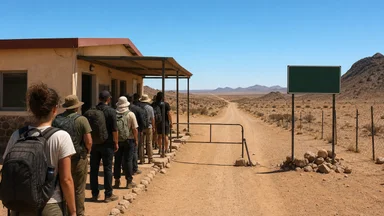
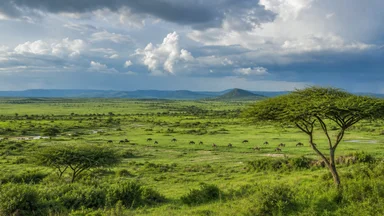
Namibia is a country of vast landscapes, but its visa rules can feel just as empty of guidance. The official e-visa portal, maintained by the Ministry of Home Affairs, Immigration, Safety and Security, lists a handful of airports as points of entry: Windhoek's Hosea Kutako International, Walvis Bay, and Ondangwa, among others. Scroll through the dropdown menus and you will search in vain for Noordoewer, Ngoma, or Mohembo, the land crossings that thousands of overland travellers use every year. This gap between the digital system and the on-the-ground reality is not unique to Namibia, but it is particularly stark here, where the landscape seems to invite road trips and the visa website seems to assume everyone flies.
I have spent years covering the eastern Mediterranean and the Levant, where ferries and land borders are part of daily life, so I know the frustration of staring at a form that does not match the journey. But Namibia's situation is different. It is not just a matter of missing a few options on a website. The e-visa system and the immigration officers at land posts operate under separate assumptions, and travellers who plan using only the portal can find themselves turned around at a dusty checkpoint, hours from the nearest town. The good news is that the rules are not secret; they are just scattered. This explainer pulls together what locals and frequent overlanders know, so you can cross into Namibia overland without the headache.
The E-Visa Portal Says Airports Only
Namibia's e-visa application is straightforward if you are flying. The online form asks for your passport details, your intended dates, and then a point of entry. The dropdown list includes the main international airports, and for most air travellers, that is all they need. But if you are driving up from South Africa, or crossing from Botswana at Ngoma, the portal gives you no obvious way to indicate that. Some travellers have reported selecting an airport anyway, hoping it will not matter, while others have abandoned the e-visa altogether and planned to sort things out at the border.
The same gap appears on many East African portals, and it is a known quirk of systems built primarily for air arrivals. The Namibian government's own website, which describes visa requirements for tourists, mentions land borders in general terms, but the e-visa application itself is not designed for overlanders. This creates confusion because the e-visa is advertised as the official way to apply for a visa in advance, and travellers reasonably assume it covers all legal entry points. When they discover it does not, they are left guessing whether a land crossing will accept the e-visa or demand a visa on arrival.
The practical effect is that many overland travellers simply ignore the e-visa portal and rely on visa on arrival, which is available at most land posts for many nationalities. But this approach carries its own risks, as border officers have discretion and rules can change without notice. The safest path is to understand both systems and prepare for either outcome, which is exactly what this guide aims to help you do.
Border Posts Demand Onward Proof
At Noordoewer, the main crossing on the Orange River from South Africa, immigration officers routinely ask to see proof of onward travel. This is not a casual question. They want to see a ticket out of Namibia, whether that is a flight confirmation or a pre-booked bus ticket. Tourists who arrive with a one-way car hire and no exit plan have been turned away, told to return with evidence that they will leave the country before their visa expires. The logic is simple: Namibia wants to avoid visitors overstaying, and a lack of onward travel is a red flag.
The kind of proof that works varies. A printed flight booking is the gold standard, but a bus ticket from Windhoek to Cape Town or Johannesburg, or even to another neighbouring country, is often accepted. Some travellers have reported that a bank statement showing sufficient funds, combined with a clear itinerary, was enough to satisfy an officer, but this is not guaranteed. The key is to have something concrete, not just a vague plan to figure it out later. Border officials are not mind readers, and they have seen every excuse.
This requirement is not unique to Namibia. Many countries enforce similar rules, but the difference here is the lack of clear guidance. The e-visa portal does not mention onward travel proof, and the government's travel advisories are terse. As a result, travellers learn about this requirement from forum posts and word of mouth, often after they have already been questioned at the border. A little preparation goes a long way, and booking a refundable bus ticket is a cheap insurance policy.
Why the Two Systems Disagree
The disconnect between the e-visa portal and the land border officers stems from how the two systems were built. The e-visa platform was designed to streamline air arrivals, where travellers have clear flight itineraries and immigration checks are quick. Land borders, by contrast, are older operations that rely on manual processes and officer discretion. The Immigration Act gives officials broad authority to admit or refuse entry, and they are trained to look for signs of overstay risk, not to match a traveller to a dropdown menu.
There is no centralised guidance that tells officers to accept e-visas issued for airports at land crossings, and there is no public document that clarifies whether a land border visa should be applied for in advance or on arrival. This leaves room for interpretation, and different officers at different posts may handle the same situation differently. Some will stamp you in without a second thought; others will scrutinise your documents for ten minutes. This inconsistency is frustrating, but it is also a reminder that the border is not a machine; it is a human process.
For instance, a traveller on an overland forum reported that at Ngoma in March 2024, an officer accepted an e-visa that had been issued for Hosea Kutako International, simply noting the discrepancy and waving the traveller through. Two weeks later, another traveller at the same post was told the e-visa was invalid and had to pay for a visa on arrival. At Noordoewer, an officer is known to ask every single traveller for proof of onward travel, while his colleague at the next booth rarely does. These are not isolated anecdotes; they reflect the reality that officers have wide latitude.
The result is conflicting advice on forums. Some travellers swear by the e-visa, saying it worked fine at Ngoma, while others report being sent back because they did not have a stamp. The truth is that both stories are plausible, depending on the officer and the day. The only way to protect yourself is to be prepared for both scenarios, which means having a valid e-visa if you have one, and also having proof of onward travel and a plan to pay for a visa on arrival if needed.
What Locals Know That Guides Don't
Overlanders who cross into Namibia regularly know a few things that the typical travel guides skip. First, the land posts at Ngoma and Mohembo, on the border with Botswana, are generally less crowded and more relaxed than Noordoewer. That does not mean they are easier, but they are often faster, and officers there are used to seeing travellers on the classic Cape Town to Victoria Falls route. Second, visa on arrival is available at most land posts for many nationalities, including citizens of the EU, the US, and the UK, so you do not need to panic if you arrive without an e-visa.
Third, carrying printed copies of everything is non-negotiable. Border officers are more likely to accept a paper document that they can hold and examine than a phone screen, which can be dismissed as a screenshot or a dead battery. Print your e-visa confirmation, your bus ticket, your hotel bookings, and your vehicle registration if you are driving your own car. A folder of papers signals that you are organised and serious, which goes a long way in a small border post.
Fourth, a local agent, whether a tour operator or a guesthouse owner, can often help you arrange legitimate proof of onward travel, such as booking a bus ticket or a flight on your behalf, and providing the confirmation. If you arrive without a ticket, a phone call to a nearby accommodation can sometimes result in a confirmation letter for a booking you can genuinely make. This is not about fabricating documents; it is about using local knowledge to secure a real booking quickly. Locals understand the system because they deal with it daily, and they are usually happy to help if you ask politely.
Finally, border officials expect flexibility, not rigidity. If you are calm, respectful, and honest, most officers will work with you. They are not looking to turn away legitimate tourists; they are looking for signs that someone might overstay or work illegally. A clear itinerary and a genuine reason to visit, whether it is the dunes at Sossusvlei or the wildlife in Etosha, will usually get you through.
The Paperwork Mistakes That Cost a Day
The most common mistake is assuming that an e-visa covers land entry. If you applied for an e-visa and selected an airport, you may still be admitted at a land post, but you might also be asked to pay for a visa on arrival, or in rare cases, to go back and apply at a Namibian embassy. The second mistake is arriving without any proof of onward travel. As mentioned, this is a dealbreaker at Noordoewer, and it can be at other posts too. The fix is simple: book a refundable bus ticket or a flight out, and keep the confirmation on your phone and in print.
Another frequent error is getting the dates wrong on hotel bookings. If your reservation does not cover the full span of your intended stay, an officer may suspect you have no real plans and could deny entry. Make sure your bookings match your itinerary, and if you are planning to camp or stay with friends, have a letter of invitation or a clear explanation ready. A third mistake is ignoring the yellow fever certificate rule. Namibia requires proof of yellow fever vaccination if you are arriving from a country with risk of transmission, and officers at land posts are known to check. If you do not have the certificate, you may be vaccinated on the spot, which is unpleasant, or refused entry.
Finally, if you are driving a vehicle, especially a rental, incomplete registration papers can cause delays. Border posts want to see that the vehicle is legally in the country, and if you cannot produce the right documents, you may be held up while they verify. This is rare with major rental companies, but it happens with private vehicles and some cross-border hires. Check your paperwork before you leave, and carry an extra copy of everything.
How to Plan an Overland Route Safely
The best way to avoid border trouble is to plan ahead. Start by booking a refundable bus ticket out of Namibia, even if you are not sure of your exact exit date. Many bus companies, including Intercape and others that run between Windhoek and South Africa, offer flexible fares, and the cost is a small price for certainty. You can cancel later if your plans change, but the confirmation will satisfy any officer who asks for proof of onward travel.
Carry a printed itinerary, not just a phone. A paper folder with your e-visa, bus ticket, hotel bookings, and vehicle documents is the single most effective tool for getting through a border post smoothly. Print two copies if you can, and keep them in different bags in case one is lost. When you arrive at the post, have your passport and the first document you will need, likely your visa or proof of onward travel, ready to hand over. This reduces fumbling and shows respect for the officer's time.
Call the border post a day ahead if you are unsure about the requirements. The numbers are not always easy to find, but a quick call to the immigration office can clarify whether they accept e-visas or expect a visa on arrival. This is especially useful for less common crossings like Mohembo, where the rules may differ from the main posts. The officer on the phone will not mind the question; they would rather you ask than arrive unprepared.
Using a reliable local tour operator is another option. Many overland tours handle border formalities for you, which takes the stress out of the process. Operators know the officers, the paperwork, and the timing, and they can often arrange visas in advance. This is not the cheapest way to travel, but it is the safest, and for first-time visitors to Namibia, it may be worth the extra cost. If you prefer to travel independently, at least read recent forum posts and check the Namibian immigration website for updates, as rules can change with little notice.
The Takeaway: Expect Both Systems
Here is a practical checklist for your overland entry into Namibia:
- Before you travel: Check the e-visa portal to see if your nationality is eligible for an e-visa. If so, apply and select the airport you will most likely use, but be aware that land border officers may or may not accept it. Print the e-visa confirmation.
- Book a refundable bus ticket out of Namibia (e.g., Windhoek to Cape Town) and print the confirmation. This serves as proof of onward travel.
- Prepare a folder with printed copies of your passport, e-visa (if any), bus ticket, hotel bookings, yellow fever certificate (if applicable), and vehicle registration if driving your own car.
- Know your visa on arrival options: Check if your nationality can get a visa on arrival at land posts, and have the fee in cash (in Namibian dollars or a widely accepted currency like US dollars or South African rand).
- Call the border post a day before if you have any doubts about current requirements.
- When you arrive: Be calm, polite, and have your documents ready. Answer questions honestly.
Do not treat border posts as interchangeable. Each one has its own character, and the officers have their own habits. What works at Noordoewer might not work at Ngoma, and vice versa. Ask locals, not just influencers, for advice. Guesthouse owners, bus drivers, and fellow travellers who have just crossed are the best sources of current information. They will tell you which posts are calm and which are strict, and they will save you from the surprises that a typical itinerary never mentions.
Preparing your paperwork in advance can save you hours at the border. The travellers who pass through Namibia's border posts without delays are not lucky; they are prepared. They have their documents in order, their answers ready, and their plans clear. They also understand that the border is a human process, and they treat it with respect. If you do the same, you will find that Namibia's vast landscapes are accessible with a little extra effort at the gate.
For more on how border rules differ between airports and land crossings, see this piece on Greece's Schengen category fees. And if you are planning a longer overland journey, you might also be interested in how border guards read the fine print in other regions.